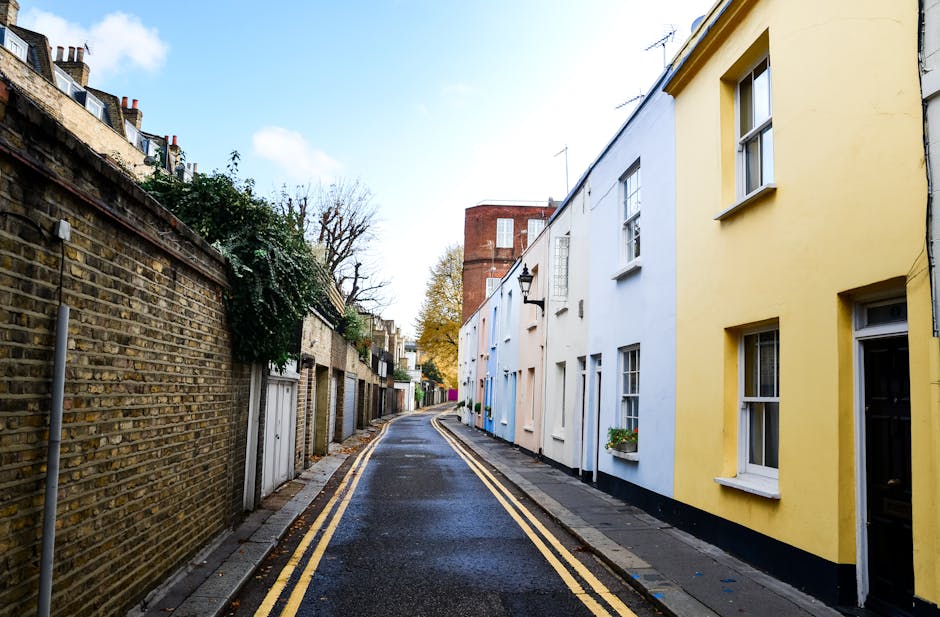
HA1 postcode removals tips for narrow streets: a practical guide for smoother moving day
Moving in HA1 can feel straightforward on paper, then the van turns into your street and reality kicks in. Tight corners, parked cars, low branches, awkward building entrances, and that one neighbour's bin that seems to live in the road all week - it adds up quickly. If you are looking for HA1 postcode removals tips for narrow streets, the good news is that a cramped access route does not have to mean a stressful move.
This guide breaks the job down into sensible steps: planning access, choosing the right vehicle, protecting your furniture, timing the move, and avoiding the kind of mistakes that turn a decent moving day into a long, noisy afternoon. You will also find local context, a checklist, and some realistic comparisons to help you decide whether a man and van setup, a smaller removal vehicle, or a fuller service is the better fit. Truth be told, a bit of preparation goes a very long way on these streets.
Table of Contents
- Why narrow-street removals in HA1 matter
- How the moving process works in tight access areas
- Key benefits and practical advantages
- Who this guide is for
- Step-by-step guidance
- Expert tips for better results
- Common mistakes to avoid
- Tools, resources and recommendations
- Law, compliance, standards and best practice
- Options and comparison table
- Case study / real-world example
- Practical checklist
- Conclusion
- Frequently asked questions
Why HA1 postcode removals tips for narrow streets matters
HA1 includes a mix of residential roads, terraced streets, apartment blocks, and busier urban routes. That mix is exactly why moving here needs a little more thought than a standard suburban relocation. A van that would park easily outside a house on a wider road may struggle to stop safely on a narrow street without blocking neighbours, traffic, or sightlines.
That creates a few practical problems. If access is poor, movers may need longer carry distances. If parking is awkward, loading takes longer. If the vehicle is too large, you may face multiple shuttles, extra walking time, and a higher chance of knocks and scrapes. And if you are moving on a weekday morning, you may also be dealing with school runs, delivery drivers, and that familiar London habit of everyone arriving somewhere at the same time.
This is why planning matters. Narrow streets are not just an inconvenience; they affect the whole move. The route from front door to van is part of the job, not an afterthought.
For people comparing local services, it can help to look at broader support first, such as removal services in Harrow HA1 or a more tailored man with a van in Harrow HA1 option if the load and access are both modest. The right service is often the one that fits the street, not just the size of the house.
How HA1 postcode removals tips for narrow streets works
The basic idea is simple: reduce friction before moving day so the actual loading and unloading are smoother. In practice, that means thinking about access, vehicle size, timing, packing, and where everything will be carried from and to. You are not just moving items; you are moving them through a space that may be tight, busy, or both.
A good narrow-street move usually starts with a quick access check. Where can the vehicle stop? How far is the front door from the safest parking point? Are there kerbs, tight bends, or resident permit restrictions? Are there overhanging trees, low balconies, or gates that limit van height? These little details matter more than most people expect.
The next step is matching the vehicle to the street. In some cases, a smaller removal van in HA1 is a better fit than a larger lorry because it can position itself more easily, reduce blocking time, and make the loading process feel calmer. On the other hand, if you have a lot of furniture, you may need a different approach altogether, maybe a split load or a planned shuttle.
Then comes the packing stage. Items should be boxed and labelled with access in mind. Heavy boxes need to be manageable; awkward pieces should be padded and dismantled if possible. That sounds obvious, but in a narrow street, every extra second at the door increases the chance of congestion. It can get a bit fiddly, yes, but fiddly is better than chaotic.
Key benefits and practical advantages
Well-planned removals in narrow HA1 streets save more than time. They reduce stress, protect your belongings, and make it easier to keep good relations with neighbours. Nobody wants to be the person whose moving van sat across the road for forty minutes while a queue formed behind it. Not a great first impression.
Here are the main advantages of planning properly:
- Faster loading and unloading because the route from door to van is clearer.
- Lower risk of damage to furniture, walls, door frames, and vehicle panels.
- Less pressure on the moving team because they are not constantly navigating avoidable obstacles.
- Better parking decisions which can prevent costly delays.
- More realistic scheduling so the day feels manageable rather than rushed.
- Improved neighbour relations when access, noise, and obstruction are handled considerately.
There is also a commercial benefit. When access is clear and the move is well organised, it becomes easier to compare removal companies in Harrow HA1 on service quality rather than just scrambling for whoever can arrive first. That usually leads to a better outcome. Sometimes the cheapest quote looks fine until the street says otherwise.
For larger home moves, a dedicated house removals Harrow HA1 service may be the better choice because it gives you a more structured plan, especially if furniture needs dismantling or there are multiple rooms to clear.
Who this is for and when it makes sense
This guide is for anyone moving in or out of HA1 where the street access is tight, the road is heavily parked, or the property itself is hard to reach. That includes tenants, homeowners, landlords between lets, students, small families, and small businesses changing premises. If the words "where can the van actually stop?" have crossed your mind more than once, you are in the right place.
It is especially useful if:
- You live on a terraced street with limited passing room.
- Your property is on a one-way road or a road with busy daytime traffic.
- There is no driveway, forecourt, or loading bay.
- You are moving from or into a flat with stairs or a tight entrance.
- You have heavy or bulky items such as wardrobes, sofas, or appliances.
- You need a quick, low-drama move because access time is limited.
It also makes sense for business moves. Office relocations often involve laptops, filing, chairs, and equipment that need careful handling and efficient routing. If that sounds familiar, a dedicated office removals HA1 service can be a better fit than trying to wing it with a generic approach.
And if your move is not immediate but timing is awkward, storage can be useful. Having an interim plan through storage in HA1 can ease pressure when keys, completion dates, or access windows do not line up neatly. Which, let's face it, happens more often than people expect.
Step-by-step guidance
1. Assess the street before you book anything
Walk the route from the nearest practical stopping point to your front door. Look for parked cars, tight corners, low trees, road signs, bollards, and anything that could slow the process. If you can, take a few photos at different times of day. Morning and late afternoon can feel very different in busy parts of HA1.
2. Measure the awkward items
Do not guess the size of sofas, beds, dining tables, or wardrobes. Measure them properly, then compare those measurements with door frames, hallways, stair turns, and lift access if relevant. A few centimetres can make all the difference. It sounds dull. It matters.
3. Choose the right service level
If you have a smaller load and the access is awkward, a man and van in Harrow HA1 arrangement may be ideal. If the load is more substantial, a larger team and vehicle might be better. The point is to match capacity to the street. Not the other way around.
4. Pack for speed, not just storage
Label boxes by room and priority. Keep heavy books in smaller boxes. Cushion fragile items properly. Separate essentials so they are easy to reach. If the van is parked a bit further away than planned, you will be glad your most important items are easy to identify. For help with materials, the packing and boxes service in Harrow HA1 can be a useful place to start.
5. Protect both the property and the van access route
Use blankets, door protectors, and corner guards where needed. If the entrance is tight, protect the wall edges and the door frame first. Narrow streets tend to concentrate damage at the exact pinch points. It is always the same spot, strangely enough.
6. Time the move carefully
Earlier starts often work better because streets are quieter and parking is easier. Midday can be fine too, but only if you have already checked local traffic patterns and access restrictions. If you are moving on a day with school traffic, deliveries, or a local event, give yourself more margin. A little waiting is better than a stuck van.
7. Keep the loading flow simple
Place items in a clear sequence: furniture first, then heavier boxes, then fragile or awkward items, then essentials. Do not keep changing the order. The more the team has to pause and reshuffle, the more likely the move slows down. Simple flow wins.
8. Have a backup plan
Sometimes a bay is occupied, a neighbour's vehicle is in the way, or access turns out to be tighter than expected. That is normal, honestly. Build in a fallback: an alternative stopping point, a second person to help with carrying, or a storage option if the timetable changes. If you need flexibility, a short-term removals Harrow HA1 plan can often be adapted better than a one-size-fits-all booking.
Expert tips for better results
After a lot of local moving work, a pattern becomes obvious: the best narrow-street moves are boring in the best possible way. Everything is confirmed, labelled, and close enough to predictable. No drama. No missing keys. No frantic shoe-box search at the back of a hallway.
Here are the tips that usually make the biggest difference:
- Ask about vehicle size early. The right van for the street can save a lot of time.
- Check if the property has any access quirks. Tight staircases, narrow hallways, and heavy front doors all add friction.
- Keep emergency essentials aside. Tea bags, chargers, paperwork, and a change of clothes should not disappear into the load.
- Use colour labels if you can. A quick colour on each box makes room placement easier.
- Break down furniture in advance. Flat-pack items and removable legs are a blessing in tight entrances.
- Protect the route. A blanket over a low wall or a mat by the door can stop scrapes before they happen.
One small but useful point: if your street is especially tight, tell the removals provider exactly where the van can and cannot stop. "Near the house" is not enough. Be specific. The corner by the lamppost, the opposite side of the road, the short stretch before the bend - that kind of detail helps a lot.
And if you are still comparing options, check the provider's pricing information alongside the practical setup. A fair quote is good, but a fair quote with the right access plan is better.
Common mistakes to avoid
Most moving-day problems in narrow streets are preventable. The issue is usually not the move itself; it is the assumptions made before the move. Here are the big ones.
- Booking a vehicle that is too large. A bigger van is not always a better van.
- Assuming parking will sort itself out. It rarely does.
- Not checking stair turns and door widths. This is where oversized furniture gets stuck.
- Packing too many heavy items into large boxes. Your back will not thank you.
- Leaving everything until the morning of the move. That creates pressure you do not need.
- Ignoring neighbour access. One blocked driveway can derail the timing fast.
- Forgetting to communicate special items. Pianos, mirrors, glass tables, and dismantled beds need advance notice.
A quieter mistake is underestimating how tiring repeated short carries can be. If the van has to park a little away from the front door, each trip is shorter, yes, but the repetition builds up. That is when boxes start feeling heavier than they should and people start rushing. That is the moment to slow down, not speed up.
Tools, resources and recommendations
You do not need a truck full of gadgets to manage a narrow-street move, but a few practical tools make life easier.
- Furniture blankets and wraps for corners, glass, and wood finishes.
- Heavy-duty tape and markers for clear box labelling.
- Small dollies or sack trucks where steps or longer carry routes are involved.
- Measuring tape for doors, hallways, beds, and awkward furniture.
- Zip bags for screws and fittings so dismantled items can be reassembled without drama.
- Protective gloves for grip and safer lifting.
As a starting point, many people also benefit from speaking with a service provider that can cover the full range of moving support. A general removal services Harrow HA1 page is often useful when you need to compare options across packing, transport, and storage.
If you are not sure whether to go small or comprehensive, ask yourself a simple question: are you moving a few easy items, or a full household with awkward access? That answer usually points you in the right direction quicker than any fancy checklist.
Law, compliance, standards and best practice
For most home moves, the main compliance concerns are practical rather than legal: safe lifting, safe parking, and not causing obstruction or damage. But those practical points matter because moving on narrow streets can affect other road users, pedestrians, and neighbours.
Best practice usually includes:
- Parking in a way that keeps access reasonably safe and courteous.
- Avoiding unnecessary obstruction of driveways, crossings, and junctions.
- Using sensible manual handling techniques to reduce injury risk.
- Protecting floors, doorways, and communal areas where relevant.
- Following any building or estate access rules that apply to your property.
If you are in a managed block, private estate, or shared-access property, check any move-in or move-out instructions early. Some buildings need lift bookings, arrival windows, or advance notice. It is not glamorous admin, but it can save the day.
For commercial moves, a bit more coordination is often needed because office buildings may have loading procedures, shared entrances, or restricted lift times. That is where a structured move, planned with a provider used to office logistics, tends to be the sensible route.
Options, methods, or comparison table
Different move types suit different access conditions. Narrow streets are exactly where the choice of service matters.
| Option | Best for | Strengths | Limitations |
|---|---|---|---|
| Man and van | Smaller loads, quick local moves, flexible access | Easy to position, usually efficient in tight roads | May not suit larger households or multiple bulky items |
| Removal van | Moderate loads needing more structured transport | Good balance of capacity and manoeuvrability | Still needs careful parking planning in narrow streets |
| Full house removals | Full-home moves, multiple rooms, heavy furniture | More support, more organisation, less pressure on you | Requires tighter scheduling and clearer access planning |
| Storage plus move | Gap between move-out and move-in dates | Helps when timing is messy or access is limited | Adds an extra step, so planning needs to be precise |
If you are unsure which route to choose, many people start by looking at man with a van in Harrow HA1 for smaller, tighter moves, or a broader removal company service if the job is bigger and needs more coordination. Small note: if you compare services side by side, think about access first, price second. That order usually works better.
Case study or real-world example
Here is a realistic example from a typical HA1 scenario. A couple moved from a first-floor flat on a narrow residential street to a nearby house not far away. On paper, it was only a short local move. Easy, they thought. Then they looked at the street properly.
The road was lined with parked cars, the best stopping point was at a slight bend, and the hallway at the flat had a tight corner before the stairs. A large vehicle would have blocked too much of the road, so the team opted for a smaller van and a staged load. The couple packed early, kept fragile items separate, and dismantled the bed the night before. Not glamorous, but sensible.
On the day, the first stop was a little further away than hoped, so the team used a trolley for the heaviest boxes and carried furniture in a pre-agreed order. Because everything had been labelled, the unloading side was quick. The move still took effort - moving always does - but it stayed controlled, and nobody had to improvise under pressure.
That is the quiet truth of narrow-street removals: the win is not speed alone. It is control. A move that feels calm, even if it is slightly longer, is usually the better outcome.
Practical checklist
Use this checklist a day or two before the move. It keeps the small things from snowballing.
- Measure large furniture and note awkward corners.
- Check the narrowest points in the property and stairwell.
- Confirm where the van can safely stop.
- Tell the removals team about access restrictions.
- Separate essentials from the main load.
- Label boxes by room and fragility.
- Dismantle furniture where practical.
- Protect floors, door frames, and walls.
- Keep keys, documents, and phone chargers easy to reach.
- Leave a little buffer in the schedule for parking or access delays.
Expert summary: In narrow HA1 streets, the best removals plan is usually the one that respects the street first and the packing second. If access is tight, smaller vehicles, clearer labelling, earlier start times, and a simple loading order often make the biggest difference.
Conclusion
Moving through narrow streets in HA1 does not need to feel like a logistics puzzle from hell. With the right checks, the right vehicle, and a sensible plan for access and packing, the whole process becomes much more manageable. The key is to treat the street as part of the move, not a side issue.
Whether you are shifting a few items or an entire household, the smartest approach is usually the simplest one: measure properly, pack carefully, choose a service that suits the road, and allow a little breathing room in the schedule. If you do that, you give yourself a far better chance of a calm, efficient move - and that is worth a lot on a busy London street.
If you are comparing options now, keep your focus on access, service fit, and clarity of pricing. Get a free quote today and see how much you can save.
Frequently Asked Questions
What is the best type of removal service for narrow HA1 streets?
It depends on the load, but smaller and more flexible services often work best where parking and turning space are limited. For a lighter move, a man and van setup can be practical. For a fuller household move, a larger structured service may be better if the access plan is solid.
Should I choose a smaller van for a tight street?
Often, yes. A smaller van can be easier to position safely and may reduce the time spent blocking the road. That said, if your load is too large, you may end up making extra trips. The right balance matters more than simply going as small as possible.
How early should I book removals for a move in HA1?
As early as you can if the access is tricky, especially if you need a specific time window. Early booking gives more room to plan the route, vehicle size, and any additional help you might need.
Can I move on a narrow street if there is no driveway?
Yes, plenty of people do. The important part is planning where the vehicle can stop safely and how far items need to be carried. If parking is extremely restricted, tell the removals provider in advance so they can advise on the best setup.
What should I pack first for a street with poor access?
Start with items you do not need immediately, but keep essentials separate. Label everything clearly and avoid overfilling large boxes. You want boxes that are easy to carry, not heroic.
How do I avoid blocking neighbours on moving day?
Choose the safest stopping point, keep the loading process organised, and let neighbours know if the move may affect access briefly. A short bit of courtesy goes a long way, especially on a narrow residential road.
Is storage useful if my access or completion date is uncertain?
Yes, storage can be very helpful if dates do not line up or if you need to stage the move. It can reduce pressure and make the whole process less rushed.
Do I need to dismantle furniture before the move?
Not always, but it is often a good idea for larger pieces. Dismantling beds, tables, or wardrobes can make tight hallways and doorways much easier to manage.
What if a parked car blocks the van space on the day?
Have a backup access plan. That may mean an alternative stopping point, a slight change in timing, or a short delay. It happens more often than people expect, so staying flexible is useful.
Are office moves in HA1 more difficult than home moves on narrow streets?
They can be, mainly because of equipment, documents, and building access rules. A clear loading plan and the right team make a big difference. Office relocations usually benefit from more coordination than people first assume.
How can I compare removal quotes properly?
Compare vehicle size, access assumptions, included services, timing, and any mention of stairs or long carries. A quote that looks low may be based on access conditions that do not match your street.
What is the most common mistake people make with narrow-street removals?
Assuming the van can stop wherever is convenient. In practice, access planning is often the difference between a smooth move and a frustrating one. That first 10 minutes can shape the rest of the day.